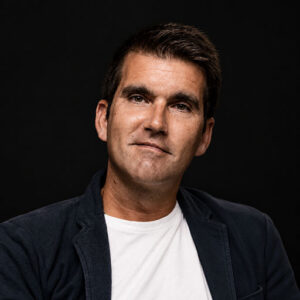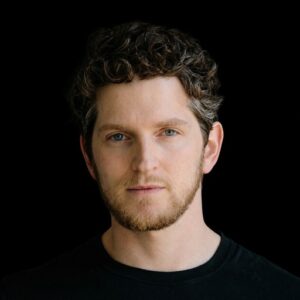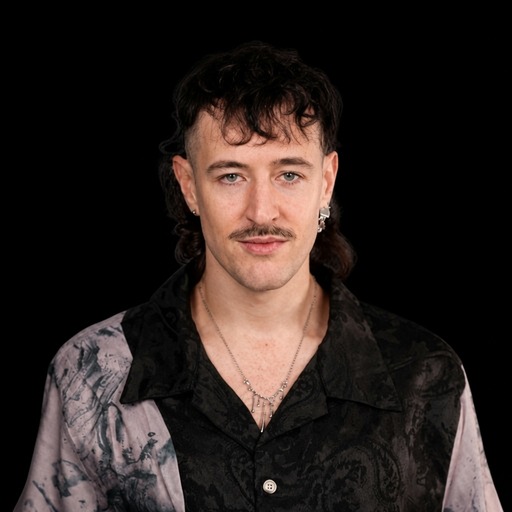
Serious People premiered in the NEXT section of the 2025 Sundance Film Festival, and its premise is the kind of thing that only happens if you stop ignoring your own anxiety dreams. Co-directors Pasqual Gutierrez and Ben Mullinkosson, friends who fell in love with documentary together back around 2011, built a docu-fiction comedy out of the most ordinary terror imaginable.
You can only be in one place at a time, and that’s what this film was about.
The Dream That Became the Film
Gutierrez, an LA music-video director, was in New York with his pregnant wife, anxious about work-life balance during a hard first trimester, when he had a vivid dream: he cast a doppelganger to play him and fulfill his work duties so he could be a present father. He woke up drenched in sweat, told his wife, and she said he should just make it into a film. The two directors had been circling something like this for a decade, ever since they shared a house near downtown LA and, with cheerful self-awareness, ran an Instagram account called Pretentious Fucks, the earliest seed of the auto-fiction instinct. The first call he made was to Mullinkosson, who’d long since moved to Shanghai to chase the world’s best skateboarding spots, because the film needed someone who knew this friend group from the inside, a verité documentarian whom everybody in the group already trusted, not some random stranger holding a camera. The result casts Gutierrez as himself, his real wife Christine Yuan as Christine, and a Craigslist-found bodybuilder and aspiring social-media celebrity, Miguel Huerta, as the swaggering, none-too-bright double Miguel, who is supposed to cover Pasqual’s shifts directing a big artist’s video and instead becomes a slow-motion disaster. The condo is their actual home, the baby shower is full of their actual friends, and the end credits show Gutierrez and Yuan with the real daughter who arrived shortly after the shoot wrapped.
Why the Doppelganger Is the Whole Argument
Here’s the stance the film quietly makes, and it’s sharper than the comedy lets on. Casting a double to live your life is secretly a description of what every documentary subject already does. The moment a camera turns on, a “real” person becomes a slightly performed version of themselves, a doppelganger of who they are off-camera. So Serious People isn’t blurring documentary and fiction as a stunt, it’s exposing that the blur was always there, that pure cinema verite was always a contradiction, and that the only honest response is to make the performance consensual and visible instead of pretending it isn’t happening.
That’s why the directors’ ethical claim is really the film’s subject rather than a defense of it.
It’s actually the most ethical form of filmmaking because everybody was in on it.
A documentary turns exploitative, Gutierrez argues, exactly when the subject doesn’t know they’re being authored, doesn’t grasp how their image will be edited, colored, and assembled later. By writing scenes with the people in them, giving each friend a voice to express themselves, and letting everyone play a knowing version of themselves, the directors convert documentary’s usual extractive gaze into a collaboration among equals. They’ll only ever include what their subjects are comfortable with, and what survives is emotional truth, the rooftop argument between Pasqual and Christine wasn’t literally about Miguel, but the frustration in it was real, since he really had been out all night, working on this very film. The doppelganger plot carries the same weight: the terror Gutierrez is filming isn’t fatherhood but the discovery that you cannot outsource your own presence, that no double can be home for you.
A Painting You Don’t Cut Away From
The look is a direct inheritance from Roy Andersson, the Swedish master of absurdist melancholy.
Andersson’s A Pigeon Sat on a Branch Reflecting on Existence, which won the Venice Golden Lion, unfolds as a series of meticulously composed, static, painterly wide tableaux, each shot held like a canvas you’re meant to study rather than cut away from. Lacking Andersson’s resources, his days spent lighting a single frame, Gutierrez and Mullinkosson took the ethos instead, and set one rule: every scene gets exactly two shots, a super-wide and a super-close-up, no inserts of hands, no conventional coverage. The wide frame became the engine of a deeper idea about comedy. Most comedies put the joke in the close-up, the cut, the blocking, so they stripped all of that away and let the humor come from the negative space these self-important characters squirm inside. That painterly distance also does the audience’s thinking for them: by refusing the close-up that tells you when to laugh, the film makes you watch these performed-but-true selves from across the room, exactly the way Pasqual’s real family has to, never quite sure where the bit ends and the person begins. The same DNA runs through Ruben Östlund’s Triangle of Sadness, whose deadpan casting-room opening Marcus felt echoed here, and the film belongs in conversation with two works the directors didn’t name: Abbas Kiarostami’s Close-Up, the foundational docu-fiction in which a real-life impostor and the people he fooled re-enact their own story, and Charlie Kaufman’s Adaptation, another spiral about a double and the anxiety of making the thing you’re inside of.
The Cost of Being Inside Your Own Movie
The hybrid form took a real toll, which is the point. Gutierrez started shooting a little before Mullinkosson arrived and found it brutal to direct, operate, and perform at once, self-aware of every frame while trying to feel authentic, sprinting across the street to sit down and have a “scripted” conversation with his actual wife. When Mullinkosson came, he could finally capture the Andersson-style stillness while Gutierrez quietly directed from within scenes, steering conversations among non-actors who were also his friends. But the meta got heavy. A midpoint “come to Jesus” reckoning hit his real relationships, with both his creative partner and his life partner, as the film bled past the screen and Christine would genuinely text asking where the hell he was. They shot quickly, only twenty-two days of footage over two and a half months, every day a small miracle of scrounging a camera and a lens, and submitted the finished film to Sundance in both the documentary and fiction categories, because they honestly couldn’t say which it was, and didn’t want to. Their advice to their younger selves is unglamorous and earned: chill out, stop picking fights you’ll regret, and, as Gutierrez puts it, if you’re scared to do it, do it. What Gutierrez keeps returning to as the real highlight isn’t even Sundance but the wrap dinner, a goodbye meal at a Chinese restaurant where the small crew of childhood best friends realized this might be the last time they’d all gather before he disappeared into fatherhood. He cried. The film, he understood, was at once his first feature and a send-off into the next chapter of life, made by the people he loved most. The deepest lesson is the one the whole project keeps proving, in the work and in the marriage alike: the personal, pushed far enough to hurt a little, is the thing that finally connects.